Configurable scenarios
Describe the conditions you need — environments, objects, sensors and rare events — instead of waiting to encounter them in the real world.
Target known gaps in coverage directly.
Learn more about configurable scenariosEach stage hands structured, traceable outputs to the next, so data decisions stay visible from the first scenario to the final evaluation.
Explore the PlatformData Engine
Scenario-driven image, sensor and dataset generation. Parameterised scenes and controlled variation. Multi-modal outputs such as RGB, depth and sensor data.
Explore Data EngineSimulation Engine
Configurable virtual environments and edge-case scenarios. Environment, lighting and weather configuration. Rare and safety-relevant situations on demand.
Explore Simulation EngineEvaluation Engine
Dataset validation, model benchmarks and robustness testing. Dataset coverage and label-consistency checks. Benchmarks against defined scenario sets.
Explore Evaluation EngineThe modules below describe Synthex's intended platform architecture. Capabilities are in active development and none is generally available yet.
Physical-world AI fails at the edges: rare conditions, scarce labels and data that is hard to collect. Synthex is being built to make those edges designable, testable and repeatable.
How the platform is designedSupporting medical imaging research with synthetic datasets, segmentation workflows and controlled benchmarking.
Generating varied field scenarios for crop, weed and plant-health perception in changing outdoor conditions.
Simulating roads and environments to build perception datasets and test systems against edge cases before deployment.
Models may underperform when exposed to unfamiliar medical imaging conditions or datasets.
Inconsistent annotations may undermine model development and evaluation.
Limited labelled training data and uncommon edge cases restrict the coverage of AI datasets.
Describe the conditions you need — environments, objects, sensors and rare events — instead of waiting to encounter them in the real world.
Target known gaps in coverage directly.
Learn more about configurable scenariosLabels are designed to be defined by a schema and produced alongside the data, keeping classes, attributes and formats consistent across datasets.
Aims to reduce relabelling and format wrangling.
Learn more about structured annotationsEach dataset would link back to the scenarios, versions and checks that produced it, so quality questions could be answered clearly.
Intended to make training data auditable.
Learn more about traceable dataset quality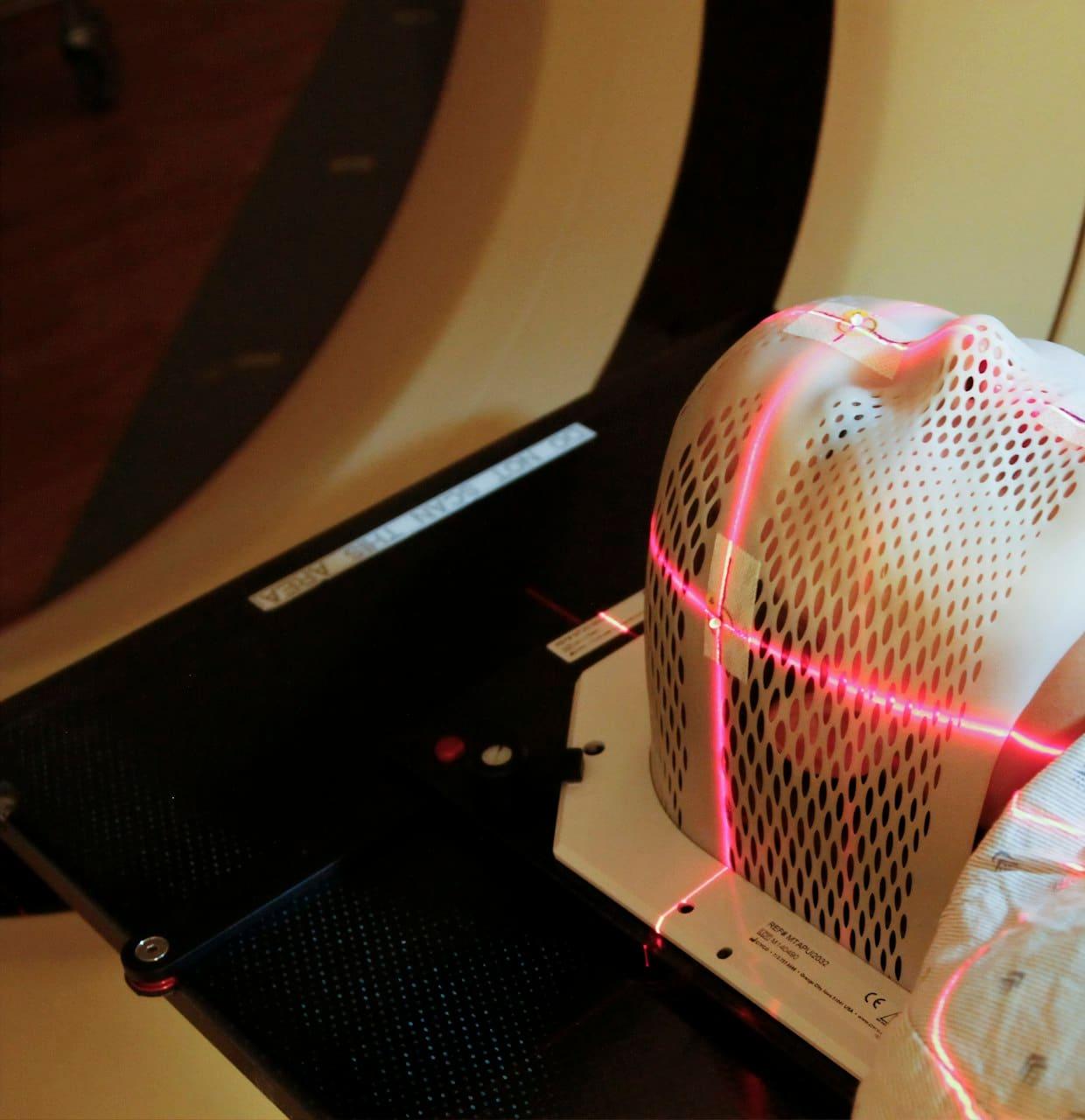


 PlatformSimulation Engine
We are interested in research collaborations, data partnerships and scoped pilot projects with teams working on physical-world AI.
Email asr@synthexgroups.com