Skip to content

Industry Solutions

Data Infrastructure for Real-World AI Challenges

From medical imaging research and precision agriculture to autonomous perception systems, Synthex is developing scenario-driven data and evaluation workflows for complex physical-world AI applications.

Target industries

Three sectors, one set of hard data problems

Each sector faces data that is scarce, costly or unsafe to collect, and models that must hold up under conditions they rarely see in training.

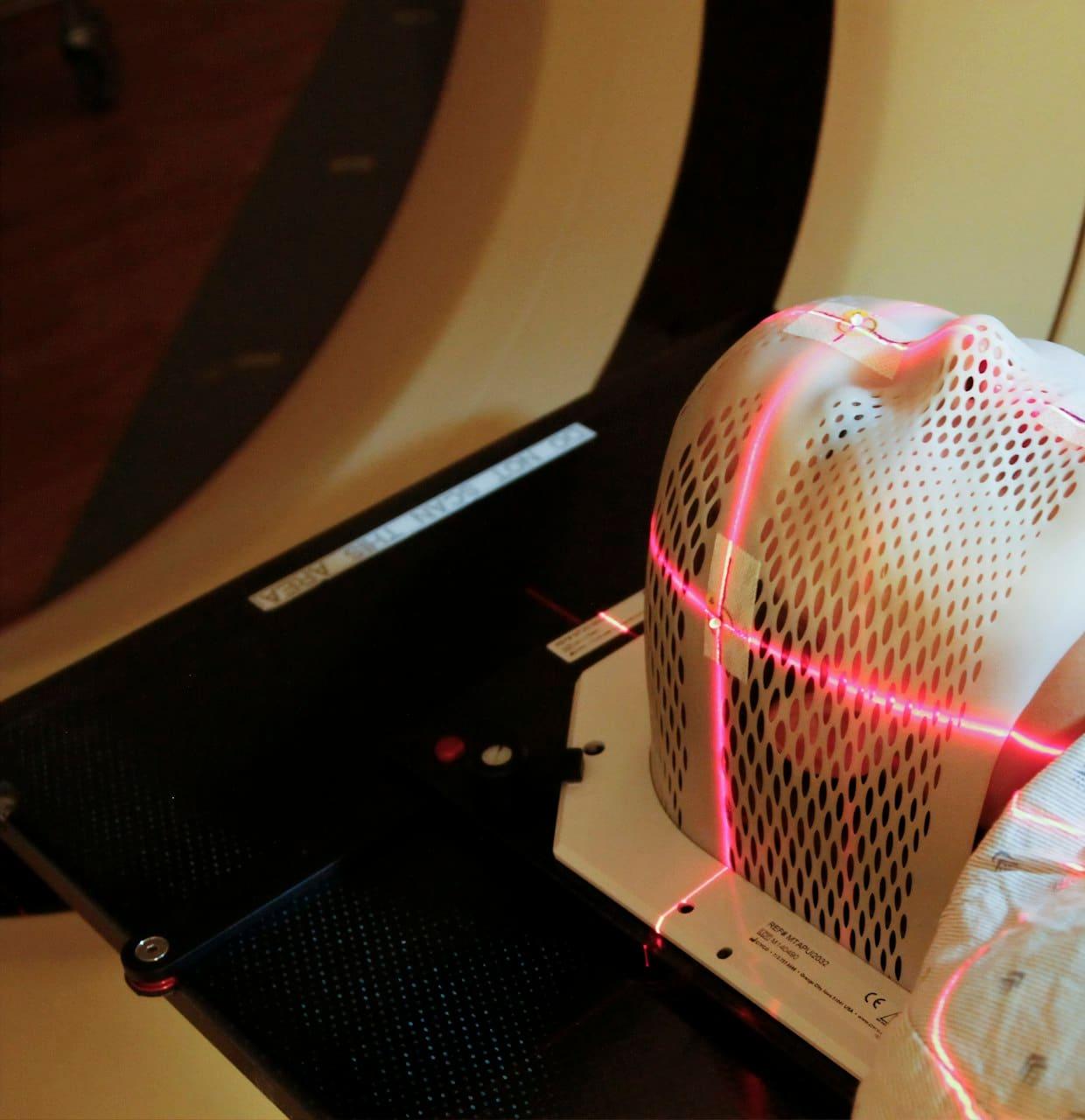
  • Laser alignment lines on a mesh positioning mask in a CT scanner, worn by a patient model

    Industry 01

    Healthcare & Life Sciences

    Problem

    Models may perform differently across imaging conditions, datasets and institutions.

    Relevant Synthex directions

    • Medical AI robustness evaluation
    • Annotation quality review
    • Synthetic imaging research
    • Segmentation benchmarking
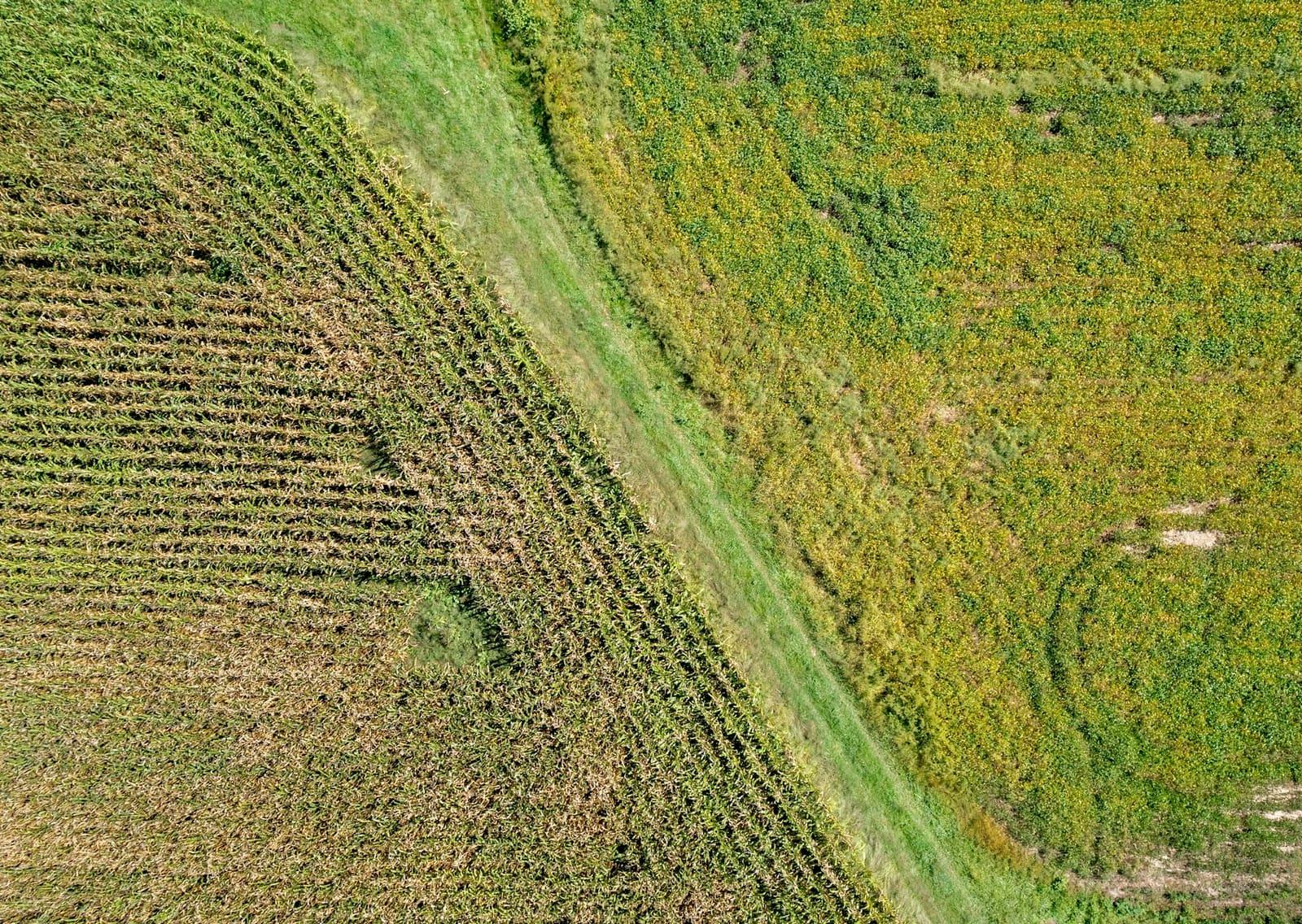
  • Aerial view of maize crop rows beside a grass strip and a neighbouring field

    Industry 02

    Agriculture AI

    Problem

    Crop, weed and agricultural vision models need to handle variable real-world field conditions.

    Relevant Synthex directions

    • Crop and weed data generation
    • Segmentation dataset creation
    • Scenario variation
    • Robustness evaluation
  • Wet street at night with headlight reflections, a bus stop and parked vehicles

    Industry 03

    Autonomous Systems & Robotics

    Problem

    Physical AI models need exposure to difficult and uncommon conditions that are expensive or unsafe to reproduce.

    Relevant Synthex directions

    • Virtual-world scenarios
    • Synthetic perception datasets
    • Sensor variation
    • Edge-case evaluation

Common platform

The same three engines, configured per domain

Industries differ in data and constraints, not in the shape of the problem. The same loop applies: simulate scenarios, build validated datasets, evaluate models, then refine scenarios using what evaluation reveals.

Cross-industry capabilities

Capabilities shared across every sector

Planned capabilities that apply whether the data is a CT slice, a crop row or a road scene.

  • Platform Vision

    Configurable Data Generation

    Describe the conditions a dataset must cover and generate controlled variations to match.

  • Platform Vision

    Automated Annotation Concepts

    Derive labels from known scene ground truth, with human review where automation is not enough.

  • Platform Vision

    Dataset Quality Validation

    Check label consistency, completeness and balance before data is used for training.

  • Platform Vision

    Scenario Coverage

    Track which environments, conditions and difficulty levels a dataset actually represents.

  • Platform Vision

    Model Robustness Evaluation

    Measure how performance changes across conditions instead of relying on one headline score.

  • Platform Vision

    Reproducible Experiments

    Tie every result to versioned scenarios, datasets and models so it can be repeated and compared.

How to read status labels

Platform Vision
A planned capability that defines where the platform is heading. Not yet available.
Research Direction
Active exploration of methods and questions. No prototype or results yet; not a product.
Illustrative Demonstration
A visual or interactive explanation using sample content. No live system or real results behind it.
Validated Implementation
Implemented and verified against defined criteria. No capability on this site is presented at this level yet.

Pilot engagement

Explore a Synthex Pilot for Your AI Workflow

A proposed way to explore whether Synthex's approach fits a specific technical problem. Pilots would be scoped individually; this describes an intended engagement sequence, not an established service offering.

Proposed, not established

Commercial availability is not yet confirmed. Any pilot would be scoped and agreed individually.
  1. 01

    Define a technical problem

    Agree the task, the conditions that matter and what a useful outcome would look like.

  2. 02

    Identify datasets and constraints

    Review available data, licensing, privacy requirements and compute constraints.

  3. 03

    Design a focused proof of concept

    Scope a small, time-boxed experiment with clear inputs and outputs.

  4. 04

    Evaluate agreed metrics

    Measure results against metrics and baselines agreed at the start.

  5. 05

    Review results and next steps

    Discuss findings openly, including what did not work, and decide whether to continue.